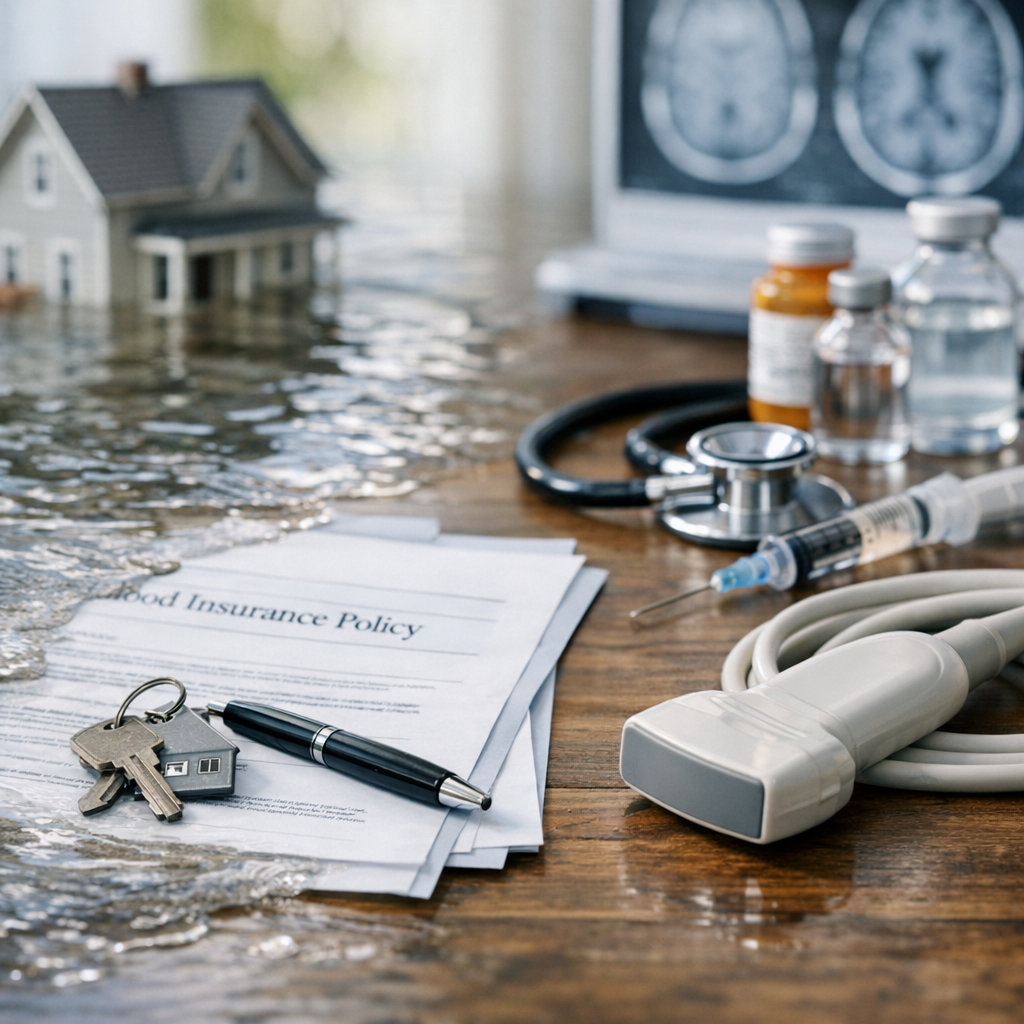
Understanding the nuances of homeowners insurance is crucial in this era of rapid medical advancements and increasing flood risks. Recent data shows that over 41 million Americans are at risk of flooding, much higher than previously estimated by FEMA, emphasizing the necessity for comprehensive coverage. Moreover, as medical technology advances, the costs associated with medical payments under homeowners insurance are also evolving. This guide aims to explore the integration of flood insurance policies into your homeowners coverage and how recent medical advancements impact your insurance needs.
In the realm of homeowners insurance, a standard policy typically does not cover flood damage. This gap in coverage leaves many homeowners vulnerable, particularly as climate change increases the frequency and severity of flooding events. According to the National Flood Insurance Program (NFIP), the average flood insurance claim from 2010 to 2019 was about $52,000, highlighting the potential financial risk of going without a flood insurance policy. Therefore, it's advisable for homeowners to assess their flood risk and consider additional flood insurance coverage, which can be purchased through the NFIP or private insurers.
On the medical front, homeowners insurance policies often include coverage for medical payments to others who are injured on your property. This facet of your policy is gaining new relevance with the rapid pace of medical advancements. The cost of medical care has risen significantly, with the Centers for Medicare & Medicaid Services (CMS) reporting a 4.6% increase in healthcare spending in 2019 alone. As treatments become more advanced and expensive, the standard limits on medical payments coverage might no longer suffice, prompting homeowners to consider higher coverage limits.
Another consideration is the intersection of technology and liability. Smart home technologies can mitigate some risks, potentially lowering insurance premiums. However, they introduce new complexities, such as the implications of data breaches or the failure of technology that was supposed to protect the home. Homeowners should stay informed about how these technologies impact their insurance needs and costs.
To safeguard against the financial aftermath of a flood and ensure adequate coverage for medical payments, homeowners should regularly review and adjust their insurance policies. Consulting with insurance professionals can provide clarity on the coverage options available, allowing homeowners to make informed decisions based on current risks and the landscape of medical care costs. In addition, understanding the fine print of your homeowners insurance policy ensures you are not caught off-guard by uncovered damages or inadequately covered medical expenses.