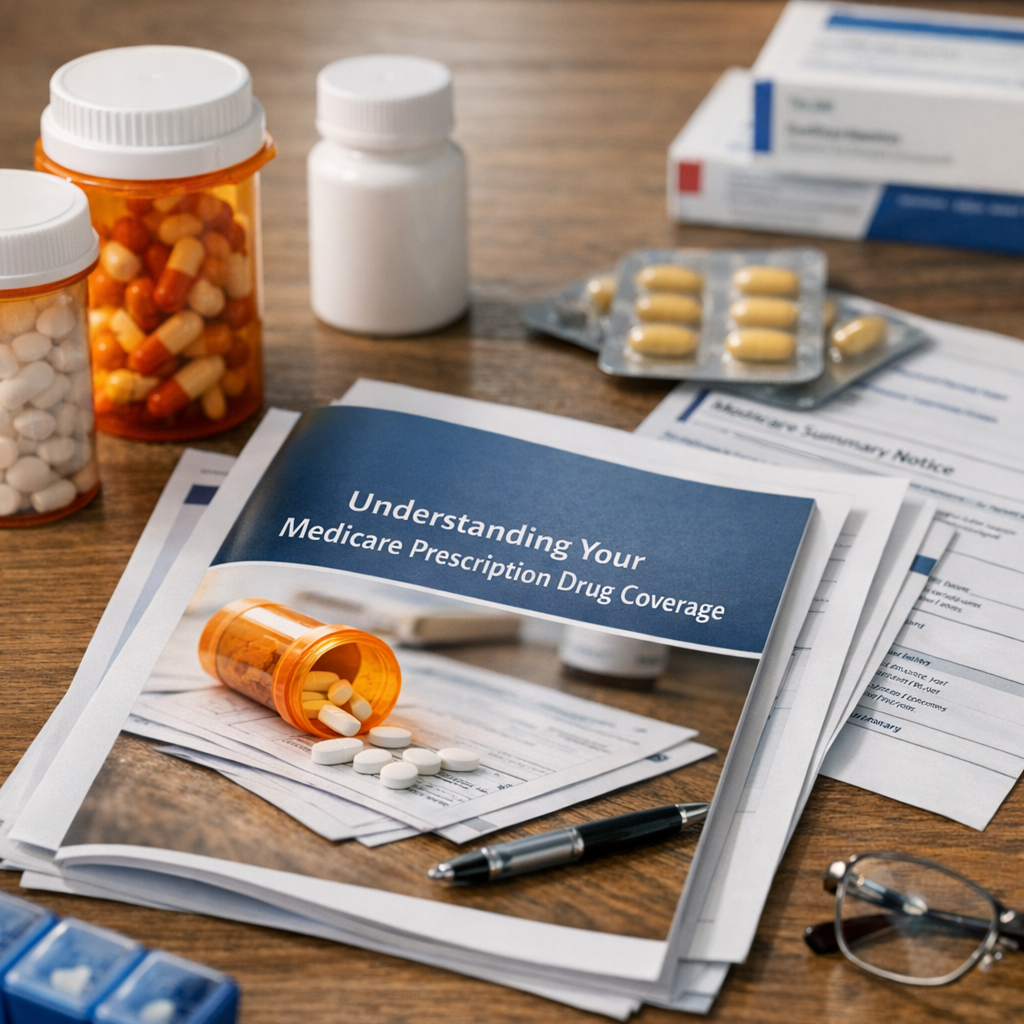
Navigating Medicare prescription drug coverage can often seem like a daunting task, with various plans and rules. However, understanding this aspect of Medicare can lead to significant savings and ensure you’re getting the coverage you need. In 2023, Medicare Part D plans, which cover prescription drugs, are available to anyone with Medicare. Statistically, according to the Centers for Medicare & Medicaid Services (CMS), enrollees save an average of over 65% on prescription drugs. This guide aims to clarify how Medicare prescription coverage works, helping you make informed decisions about your healthcare.
Medicare prescription drug coverage is provided through Medicare Part D, a program available to all Medicare enrollees. This coverage is optional and comes with a monthly premium that varies by plan. As of the latest CMS report, the average monthly premium for a Medicare Part D plan in 2023 is expected to be approximately $33. This represents a slight increase from the previous year, emphasizing the importance of reviewing and potentially changing plans during open enrollment periods to ensure cost efficiency and coverage suitability.
Choosing the right Medicare Part D plan requires understanding your prescription needs. Plans can vary in terms of the "formulary," or list of covered drugs, as well as the pharmacy networks and costs like co-pays and deductibles. It's also important to note that plans can change their formulary each year, which means a medication covered one year may not be covered the next. A key statistic from the CMS underscores this point: every year, about 10% of enrollees switch plans during the open enrollment period, often in search of better coverage or lower costs.
To ensure you're getting the best coverage for your needs, experts recommend reviewing your Medicare Part D plan annually during the open enrollment period, which runs from October 15 to December 7. This is when you can switch plans, join a drug plan, or drop your Medicare Part D coverage. Research shows that beneficiaries who shop around during open enrollment can save up to 20% on their prescription drug costs. Additionally, taking advantage of Medicare’s Plan Finder tool on the Medicare.gov website can help you compare plans based on your specific medications and pharmacy preferences.
In conclusion, Medicare Part D plays a crucial role in helping beneficiaries manage the costs of their prescription drugs. By staying informed about plan changes, understanding your prescription needs, and utilizing available resources like the Medicare Plan Finder, you can optimize your coverage and minimize your out-of-pocket expenses. Remember, the best plan for you is one that provides the best coverage for your specific medications at the most affordable cost.