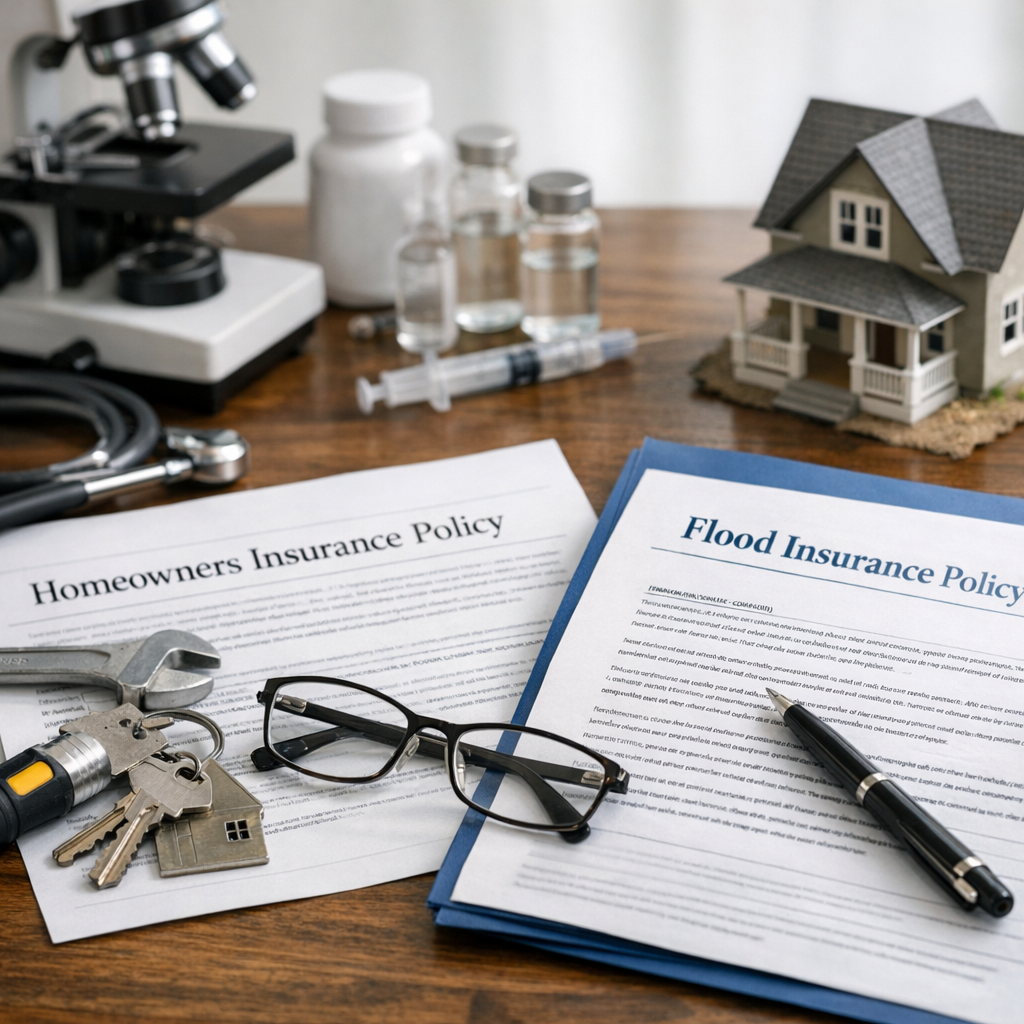
In recent years, the landscape of homeowners insurance has undergone significant evolution, adapting to include advancements in medical care and expanded flood insurance coverage. As the frequency of natural disasters continues to rise, bolstered by climate change, the necessity for comprehensive insurance has never been more pronounced. According to the National Association of Insurance Commissioners, approximately 64% of American homes are underinsured, leaving many homeowners vulnerable to out-of-pocket expenses. This guide aims to demystify the complexities surrounding homeowners insurance, highlighting the importance of medical advancements and the critical nature of flood insurance policies.
Medical advancements have begun to influence homeowners insurance policies in notable ways. For instance, "smart home" technologies that monitor health and can automatically alert medical services in case of an emergency are becoming increasingly common. Insurance companies are recognizing these advancements by offering discounts or improved terms for homes equipped with such technology. A study by the National Institutes of Health (NIH) highlighted that the adoption of these technologies could reduce emergency response times by up to 50%, significantly impacting survival rates in medical emergencies.
Yet, even as technology progresses, natural disasters like floods continue to pose a significant threat to homeowners. Traditional homeowners insurance policies do not cover flood damage, necessitating the purchase of additional flood insurance. This is especially critical in areas prone to flooding, yet, as FEMA reports, only 30% of homes in such regions are covered by flood policies. The cost of flood damage in the United States was estimated at over $3 billion annually between 2006 and 2015, underscoring the need for adequate flood insurance coverage.
It's crucial for homeowners to regularly review and understand the specifics of their insurance policies. This includes being aware of the limits of standard policies and the need for additional riders or policies, such as flood insurance. With medical advancements being increasingly factored into policy considerations, ensuring that your coverage reflects these changes can provide not just peace of mind but also potential savings. Industry experts recommend consulting with a knowledgeable insurance agent who can help navigate the complexities and ensure your policy meets your needs, fully protecting your home and assets.
In closing, homeowners insurance is more than a safety net—it's a crucial investment in the protection of your home and wellbeing. With the integration of medical advancements into policies and the essential nature of flood insurance, staying informed and proactive about your coverage options is imperative. By doing so, homeowners can ensure they are both fully protected against unforeseen events and positioned to benefit from the latest advancements in home safety technology.