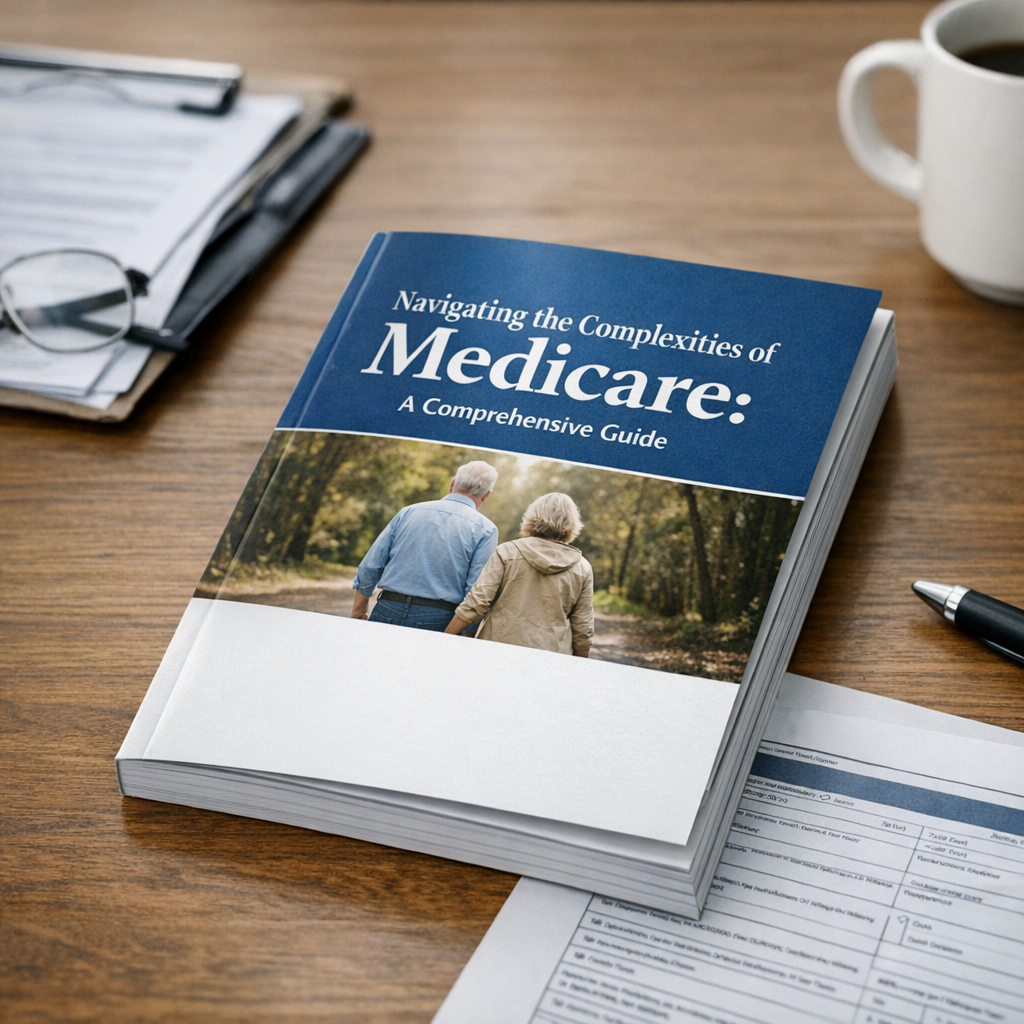
The realm of Medicare can often seem labyrinthine, with its myriad of rules, coverage options, and eligibility criteria. This guide aims to demystify the process, providing clear and concise information to help you understand how Medicare works, who is eligible, and the significance of how it's presented to the public. With the landscape of healthcare constantly evolving, it's more important than ever to be informed about the choices affecting your well-being and financial health. Drawing on the latest statistics and guidelines, this article will illuminate the key aspects of Medicare, offering insights and tips to navigate its complexities effectively.
Understanding Medicare requires comprehension of its four parts: Part A (Hospital Insurance), Part B (Medical Insurance), Part Medicare Advantage Plans (Part C), and Prescription Drug Coverage (Part D). Each part offers different benefits, and choosing the right combination can significantly affect your healthcare coverage and out-of-pocket costs. For instance, as of the latest data, over 60 million Americans are enrolled in Medicare, highlighting its critical role in the healthcare system.
Eligibility for Medicare generally begins at age 65, but it can also extend to individuals under 65 with certain disabilities or those with End-Stage Renal Disease (ESRD) or Amyotrophic Lateral Sclerosis (ALS). It's crucial to apply within your initial enrollment period, usually a seven-month window starting three months before your 65th birthday, to avoid potential penalties. According to a 2022 report by the Kaiser Family Foundation, approximately 15% of Medicare beneficiaries are under 65, indicating the program's breadth in covering diverse populations.
When it comes to presenting Medicare to the public, the Centers for Medicare & Medicaid Services (CMS) enforces strict advertising guidelines to ensure information is accurate and not misleading. Recent years have seen a surge in Medicare Advantage plan advertisements, some of which have been scrutinized for being potentially misleading. CMS has responded by tightening regulations and oversight, illustrating the government's commitment to protecting beneficiaries' interests. This vigilance helps ensure that the information reaching prospective and current Medicare recipients is clear, factual, and beneficial.
Awareness and understanding of Medicare are crucial for making informed healthcare decisions. Whether you're approaching eligibility or already enrolled, staying updated on your benefits, rights, and obligations can empower you to make choices that best suit your healthcare needs and financial situation. With the ongoing changes in healthcare legislation and Medicare policies, it's advisable to consult with a Medicare specialist or visit the official Medicare website for the most current information and guidance.