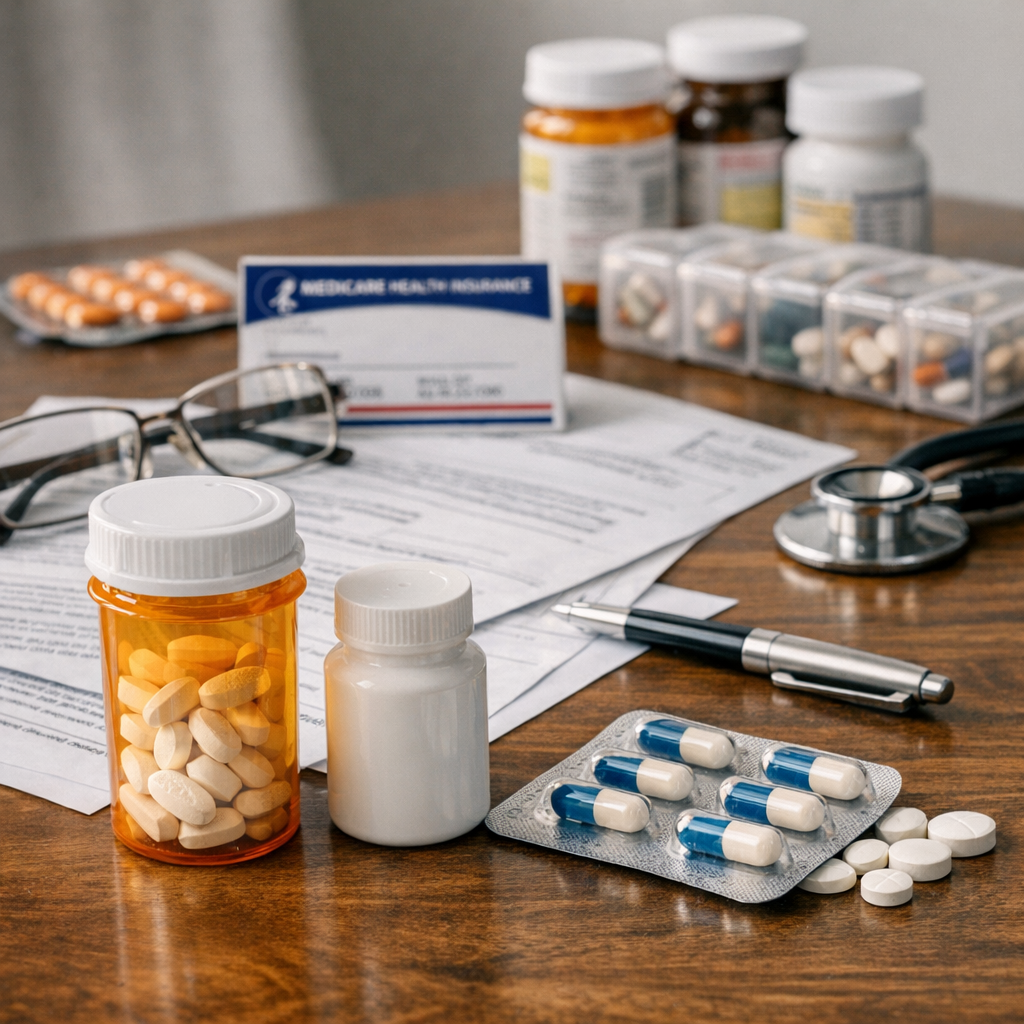
Understanding Medicare's approach to prescription drug coverage is crucial for anyone enrolled or considering enrolling in Medicare. This segment of Medicare, known as Part D, offers insurance coverage for your medication needs, applying to a wide range of pharmaceuticals prescribed by healthcare professionals. As of recent updates, over 46 million people are enrolled in Medicare Part D, underscoring its importance in the healthcare plans of American seniors and certain individuals with disabilities. Selection of the right plan hinges on understanding the formularies covered, the premiums charged, and how these drugs are categorized within your plan.
The inception of Medicare Part D in 2006 marked a significant milestone in expanding Medicare's coverage to include prescription drugs, providing much-needed relief for millions of beneficiaries facing high medication costs. Not all plans are created equal, with coverage and out-of-pocket costs varying significantly depending on the chosen plan and the medications required. In 2023, the average monthly premium for Medicare Part D plans is approximately $43, though actual amounts can vary based on location and provider. Importantly, the "donut hole" — a gap in prescription drug coverage — has seen significant reductions in patient cost responsibilities in recent years, with beneficiaries now paying 25% of the costs for brand name and generic drugs while in this coverage gap.
Choosing the right Medicare Part D plan necessitates a comprehensive review of your medication needs, including understanding the plan's formulary — the list of covered drugs. It's crucial to verify that your medications are covered and to understand the tier system that Medicare Part D plans use, as it affects your out-of-pocket costs. Medications in higher tiers typically have higher co-payments or coinsurance. In addition, consider the pharmacy network of the plan, as using in-network pharmacies can significantly reduce costs. Recent legislation has aimed to enhance Medicare Part D, including provisions to cap insulin prices and expand the types of covered medications.
To maximize the benefits of Medicare Part D, beneficiaries should annually review their prescription drug needs and compare current plans during the open enrollment period, which runs from October 15th to December 7th each year. This period allows individuals to switch plans, start new coverage, or drop existing coverage based on their current medical and pharmaceutical needs. With prescription drug costs constituting a substantial part of healthcare expenses for many, staying informed and proactive in selecting the appropriate Medicare Part D plan is essential. "An informed beneficiary is an empowered beneficiary," notes a recent healthcare analysis report, emphasizing the value of knowledge in managing healthcare costs effectively.