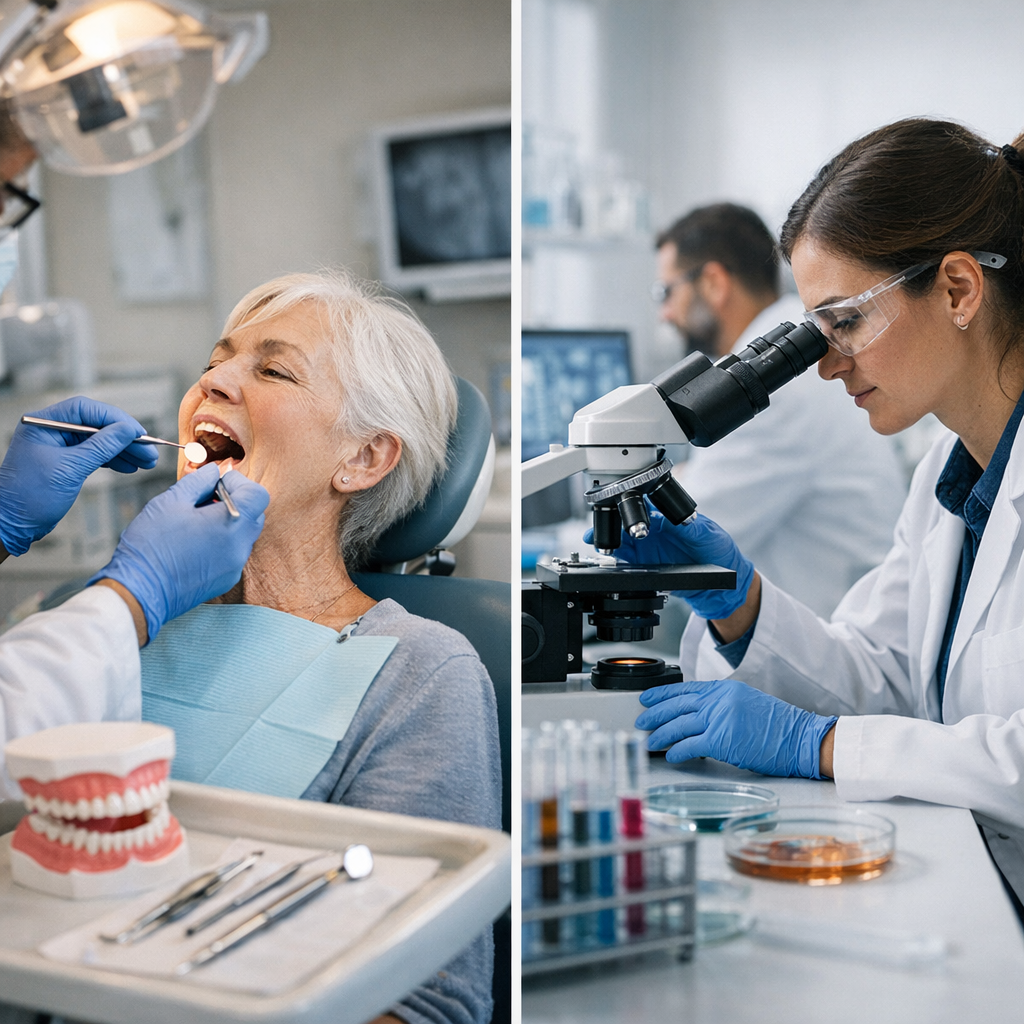
Medicare, a cornerstone of healthcare for America's senior and disabled populations, often prompts questions regarding its coverage breadth, especially in areas like dental care and its involvement in clinical research. Despite its extensive utility, Medicare's provisions for dental services are notably limited, covering dental care only in specific, medically necessary cases. On the other hand, Medicare's role in clinical research has expanded, offering beneficiaries the chance to receive cutting-edge treatments through clinical trials. This guide delves into the nuances of what Medicare beneficiaries can expect regarding dental care coverage and the program's participation in clinical research, equipped with the latest data and quotations from experts to illuminate these aspects.
Medicare's dental coverage is often a topic of misconception among beneficiaries. According to the Centers for Medicare & Medicaid Services (CMS), Medicare does not cover most dental care, including cleanings, fillings, tooth extractions, dentures, and dental plates. "Coverage is generally limited to dental services that are integral to a covered procedure," as CMS states, which primarily means that dental services are covered when hospitalization is required, such as in conjunction with jaw surgery or certain heart surgeries. This gap in coverage prompts many to seek additional dental insurance or enroll in Medicare Advantage plans that may offer broader dental benefits.
The landscape of clinical research within Medicare is notably different, fostering optimism for beneficiaries eager to access new treatments. Beneficiaries can participate in clinical trials that are approved by specific federal entities, with Medicare covering routine costs associated with such trials. These include office visits and tests that beneficiaries would require even outside of the trial. "Participation in clinical trials is vital for advancing medical knowledge and contributes significantly to patient care," reflects the National Institutes of Health (NIH). Importantly, Medicare's support for clinical trial participation underscores the government's commitment to promoting research and innovation in healthcare.
When evaluating Medicare's coverage, the distinction between routine dental care and clinical research becomes clear. While dental benefits remain limited, encouraging beneficiaries to explore alternative insurance options, Medicare's support for clinical research opens a pathway to potentially life-saving treatments not otherwise available outside of trials. It’s crucial for Medicare recipients to thoroughly understand their coverage and seek out both public and private resources to supplement their healthcare needs, ensuring a broad spectrum of care that supports both their immediate and future health outcomes.