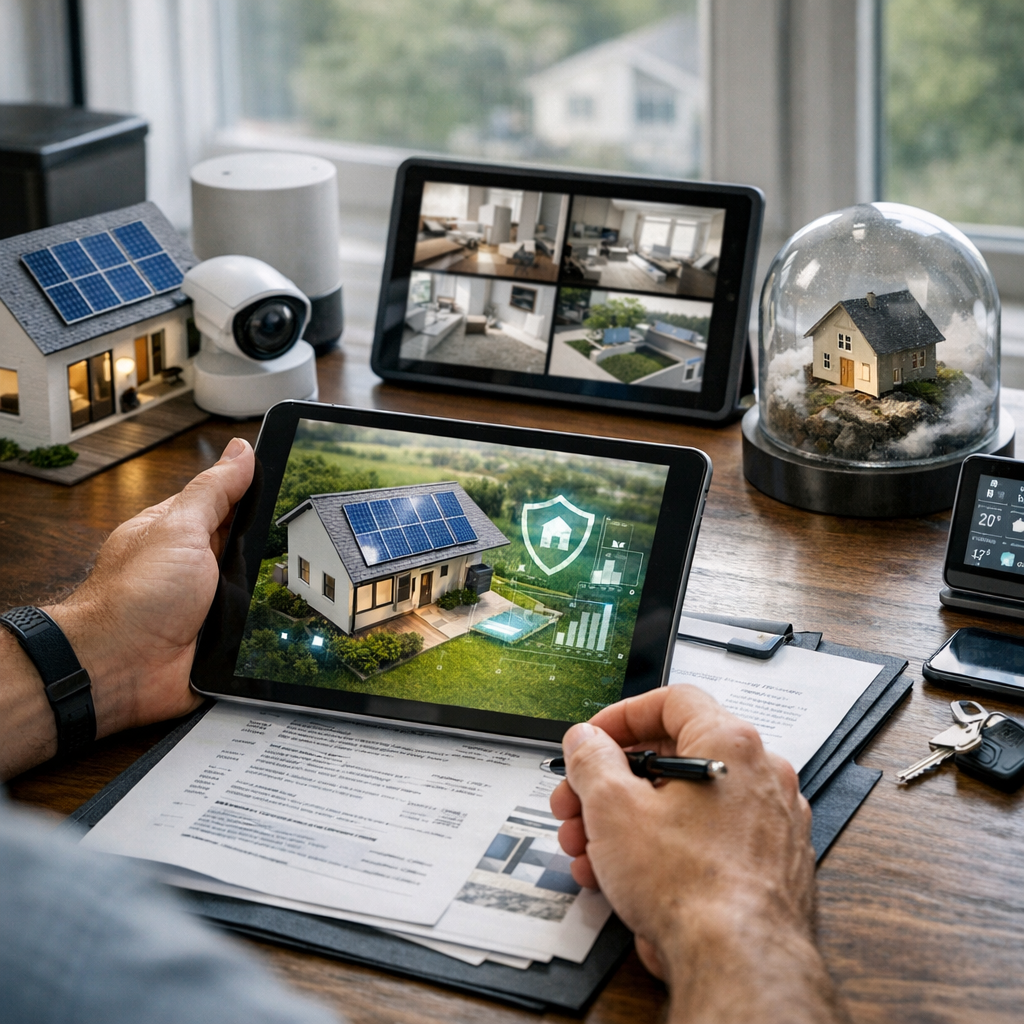
As the housing market continues to evolve, so too does the landscape of homeowners insurance, incorporating "innovative treatments" for property and casualty risks. Recent years have seen a significant shift towards policies that not only protect the physical structure of homes but also address the changing needs of homeowners, from tech-driven security enhancements to climate change adaptations. With premiums reflecting the heightened value of insured properties—jumping over 40% in some states according to the Insurance Information Institute (III)—it's crucial for homeowners to stay abreast of these developments. This guide delves into understanding these innovations in property insurance, offering insights into how they can benefit homeowners and what to look out for when updating policies.
Modern homeowners insurance does more than cover fire damage and theft; it's increasingly adapting to cover "innovative treatments" in response to climate change and technological advancements. For instance, some insurance companies now offer coverage for smart home devices that can mitigate risk, such as water leak detectors which can prevent costly water damage claims. This not only protects the homeowner's investment but can also lead to premium discounts. According to a recent survey by the National Association of Insurance Commissioners (NAIC), 77% of insurance companies believe smart home devices have a significant impact on minimizing risks and claims.
Another area of innovation within property insurance lies in the policies designed to address extreme weather conditions exacerbated by climate change. Insurance policies that include specific provisions for hurricane or flood damage are becoming more common, especially in areas prone to these disasters. The Federal Emergency Management Agency (FEMA) reports that in the past five years, flood insurance claims have averaged $3.5 billion per year, highlighting the growing need for these types of coverages. Homeowners should consult with their insurance providers to ensure their policies are equipped to handle such eventualities, potentially saving thousands in the long run.
It's also essential to assess the financial health of your insurance provider, as the market for homeowners insurance becomes increasingly competitive and saturated with new, sometimes untested coverage options. A.M. Best, a global rating agency focused on the insurance industry, suggests that policyholders review their provider’s financial stability annually. This ensures that in the event of a claim, the insurer will be able to fulfill their obligations without delay or issue. Especially with the rise in claims related to "innovative treatments" and enhanced coverage options, being with a financially sound insurer has never been more important.
In conclusion, the field of homeowners insurance is rapidly adapting to the modern homeowner’s needs, offering innovative solutions for contemporary challenges. From coverage for smart technology to specialized policies for natural disasters, insurance is becoming more tailored—and necessary—than ever. By staying informed of these developments, homeowners can not only protect their property more effectively but also potentially enjoy savings and peace of mind. As this industry continues to evolve, keeping a keen eye on the market and a dialogue open with your insurer will ensure your coverage meets your needs now and in the future.