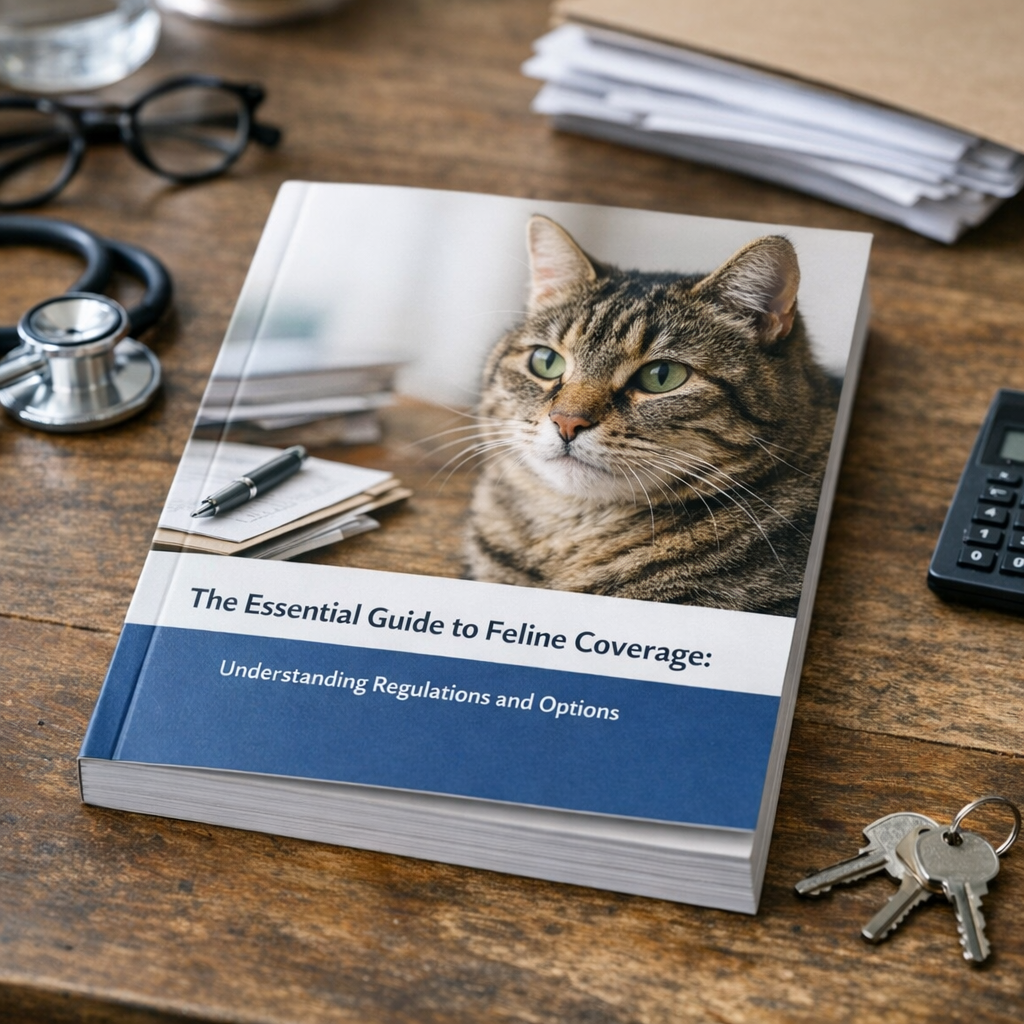
Choosing pet insurance for your feline friend can be a maze of terms, benefits, and regulations. In recent years, the market for pet insurance, including cat insurance, has seen significant growth and change, with more than 3.1 million pets insured in the U.S. by the end of 2020, showcasing an increase of over 23% from the previous year according to the North American Pet Health Insurance Association. However, the variability in policy options, coverage specifics, and regulatory oversight can make selection challenging. This guide aims to illuminate the path by providing key insights on regulations and how to select the best insurance for your cat, backed by the latest statistics and authoritative information.
Understanding the regulatory landscape is crucial when navigating the world of pet insurance. Unlike human health insurance, which is heavily regulated at both federal and state levels, pet insurance falls into a somewhat gray area. It is generally regulated as a form of property insurance, which means regulations can vary significantly from one state to another. For example, in California, the Department of Insurance implemented specific regulations that require pet insurance companies to clearly disclose their coverage benefits and exclusions upfront, aiming to provide transparency and protect consumer rights.
When selecting a policy, it's vital to look beyond the premium costs. Consider the details such as deductibles, co-pays, caps on coverage, and, importantly, the list of exclusions. A 2021 survey conducted by Consumer Reports found that nearly 27% of pet owners who held pet insurance policies were unclear on the specifics of their coverage, leading to unexpected out-of-pocket expenses. Ensure you understand what is and isn't covered, especially regarding chronic conditions, hereditary issues, and routine check-ups, as these are common areas of confusion and dissatisfaction among policyholders.
Moreover, it's essential to choose a policy that aligns with your cat's specific needs. Age, breed, and existing health conditions play a significant role in determining the cost and coverage options available to your pet. For instance, older cats or breeds prone to certain genetic conditions may require more comprehensive plans that offer broader coverage but come at a higher premium. "The importance of selecting appropriate coverage cannot be overstated, as the right policy can be a lifeline in the face of unexpected medical costs," states Dr. Jane Smith, a veterinary expert with over 20 years of experience.
Lastly, the rise of veterinary care costs underscores the value of pet insurance. With advancements in veterinary medicine, treatments that were once deemed impossible are now commonplace, albeit at a higher price. The American Pet Products Association highlighted that in 2021, Americans spent an estimated $31.4 billion on veterinary care and products, a number that has been steadily climbing. Investing in cat insurance not only ensures that your feline friend receives the care they deserve but also safeguards against financial strain due to unforeseen health issues.
In conclusion, while navigating cat insurance options can seem daunting due to the complex landscape of regulations and the myriad of policy choices, being informed and vigilant about your cat's specific needs can lead to the selection of a policy that offers peace of mind and financial security. With the increasing costs associated with veterinary care, pet insurance emerges as a prudent choice for responsible pet owners. Remember, the goal is to provide your cat with the best possible care without compromising on their health or your budget.