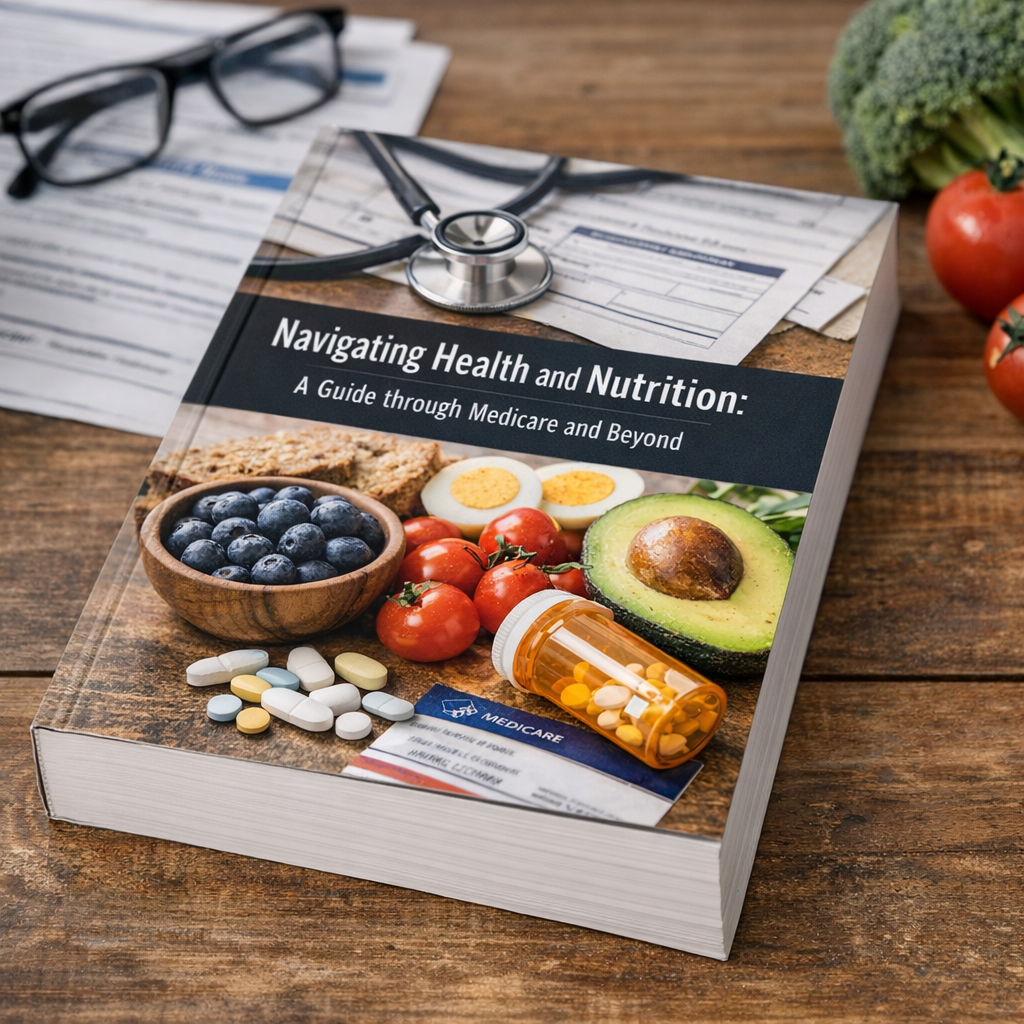
Welcome to our comprehensive guide where we delve into how Medicare intersects with the realms of supplemental insurance plans, commonly referred to as "Medigap," and the increasingly vital field of food science. This booklet aims to equip you with essential knowledge on how your healthcare coverage can be optimized through Medigap and underline the critical role of food science in maintaining health. Considering the intricate relationship between diet, health, and insurance, understanding these elements can lead to more informed decisions about your health coverage and nutritional choices. With an eye towards the latest findings and statistics, we're here to guide you through making these pivotal decisions.
Medicare provides the foundation for many Americans' healthcare coverage post-retirement, yet it does not cover all medical expenses. This is where Medigap plans become critical. According to recent statistics, "over 30% of Medicare beneficiaries were covered by Medigap plans in 2019,” highlighting the significant role these supplemental plans play in Americans' health coverage (KFF, 2020). Medigap plans are designed to cover additional healthcare costs that Medicare does not, such as copayments, deductibles, and healthcare if you travel outside the U.S.
On the other hand, the field of food science has become instrumental in guiding us towards a healthier lifestyle, directly impacting our healthcare needs and expenses. Research has demonstrated a strong link between diet and the prevalence of chronic diseases, with "poor diet being responsible for 11 million deaths globally each year, as per a 2019 study published in The Lancet" (A Global Panel on Agriculture and Food Systems for Nutrition, 2019). This emphasizes not just the need for a good diet but also for guidance in understanding the nutritional content of food, which is where food science comes into play.
Understanding how Medigap plans can supplement your Medicare coverage, combined with the insights offered by food science, provides a powerful toolkit for managing your health. It's not merely about covering the costs of healthcare when illness strikes, but also about utilizing preventive measures through proper nutrition to diminish future healthcare needs. This approach not only promises a potentially higher quality of life but could also mean less financial strain due to medical expenses in the long term.
Our advice? Consider Medigap plan options carefully, paying close attention to what each plan covers and how it aligns with your healthcare needs and lifestyle. Simultaneously, take an active interest in the field of food science to make informed nutritional choices, thus leveraging the dual power of supplemental insurance and nutrition to safeguard your health. With the landscape of healthcare and nutrition constantly evolving, staying informed and making decisions based on the latest data will serve you well. Remember, the goal is not just to live longer but to live healthier and more fully at every stage of life.