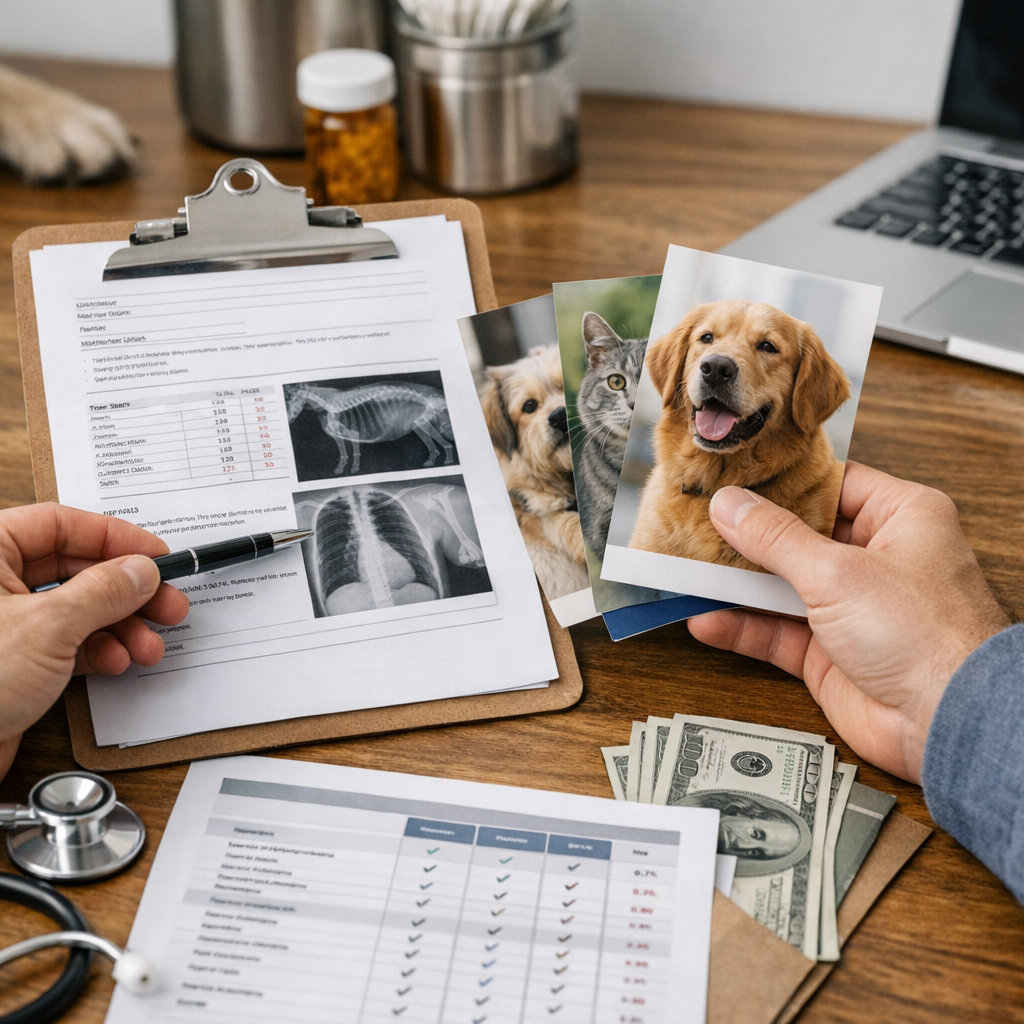
Choosing the right pet insurance can be a daunting yet crucial decision for pet owners wanting to ensure their furry friends have the best possible care. With a variety of plans available, it's important to understand what constitutes comprehensive coverage, including the clinical findings a policy covers, and how to pinpoint the best pet insurance for your animal companion. Recent data show that over 3 million pets in the U.S. are now covered under pet insurance, highlighting a growing trend among pet owners recognizing its value. This guide aims to provide an overview of what to consider when selecting pet insurance, underscored by supported data and insights from pet healthcare professionals.
Pet insurance policies primarily differ in coverage for clinical findings, which include illnesses, accidents, hereditary and congenital conditions, and preventive care. A 2021 survey by the North American Pet Health Insurance Association (NAPHIA) revealed that pet owners with insurance are more likely to seek medical care for their pets, which can be crucial in early detection and management of diseases. It's essential to review a policy's provisions regarding clinical findings, as these stipulations largely determine your out-of-pocket costs for veterinary services.
When researching the best pet insurance, consider companies that are transparent about their coverage, including limitations and exclusions. According to Consumer Reports, the best pet insurance plans offer a balance of comprehensive coverage and reasonable premiums, ensuring that you're not just paying for peace of mind but for tangible financial assistance. They recommend evaluating customer reviews, policy flexibility, and the efficiency of claim processing. Furthermore, preference should be given to insurers that offer direct payments to veterinary providers, streamlining the process for pet owners.
Prospective pet insurers should also pay close attention to statistics related to claim denials and customer satisfaction. A noteworthy finding by "Pet Insurance Quotes" is that the top-rated pet insurance companies have a claim denial rate significantly lower than industry averages, at around 10%. This is a critical metric for assessing an insurer's reliability and the likelihood that your pet's medical needs will be covered. Additionally, looking for insurers with high customer satisfaction scores can provide reassurance that the company not only values its policyholders but also delivers on its promises.
In conclusion, selecting the right pet insurance requires careful consideration of the clinical findings covered, an evaluation of the insurer's customer service and reliability, and an understanding of the policy's cost versus its benefits. By relying on factual data and informed observations from the veterinary and insurance communities, pet owners can make educated decisions that align with their pets' health needs and their financial circumstances. As the market continues to grow, staying informed and prioritizing your pet’s wellness are fundamental in choosing the best pet insurance coverage.